

Short answer: A Saudi Arabia CV format is two pages, single column, and opens with a personal details block carrying your photograph, nationality, date of birth, marital status and visa status. After that come the professional summary, work experience in reverse chronological order, education, skills, certifications and languages. Send it as a text based PDF, because Saudi employers and recruitment agencies both parse applications before a person reads them.
The uncertainty most Pakistani applicants feel about a Saudi CV is about structure, not about skills. Do you include a photograph. Where does visa status go. Is two pages too long. Does the Rozee.pk style CV you already have work in Riyadh or Jeddah.
This guide answers the format questions section by section, in the order they appear on the page. If you also want the process side of applying to Saudi Arabia, including attestation and how to word your visa line, that is covered separately in our guide to Saudi Arabia resume tips for Pakistani workers.
Quick Tip: You can start building your Saudi-ready CV for free using our Classic templates, designed for clean and professional presentation. Upgrade to Basic (PKR 1,499) for ATS-optimized formats preferred by Gulf recruitment agencies. Browse CV templates and get started free.
What does the Saudi Arabia CV format look like?
It sits between the detailed British CV and the short American resume. Two pages is the norm, three for senior professionals with a long record. The order of sections is conventional, and following it matters more than most applicants expect, because agency staff scan many CVs a day and read them in the order they are used to.
- Personal details block, with photograph, at the top.
- Professional summary, three to five sentences.
- Work experience, reverse chronological, most recent first.
- Education, with attestation status noted.
- Skills, technical first, then software, then soft skills.
- Certifications and professional development, with issuing body and validity.
- Languages, with your English level stated plainly.
- References, or a line stating they are available on request.
The Gulf Professional CV template is built in exactly this order, with the personal details as labelled sidebar fields so they stay tidy instead of crowding your summary.
What goes in the personal details block?
More than a Western CV would carry, and its absence is noticed. A Saudi recruiter checks several of these fields before reading your experience at all.
- Full legal name exactly as it appears on your passport, because every later document is matched against it.
- Phone number in international format, starting with your country code.
- A professional email address, built from your name rather than a nickname.
- City and country of residence.
- Nationality. Write Pakistani rather than leaving it to be inferred.
- Date of birth. Standard on Gulf applications.
- Marital status. Commonly requested, particularly where family accommodation or dependant visas are involved.
- Visa status. The field agencies filter on first.
- A professional photograph. Formal clothing, plain background, head and shoulders.
Religion appears as a field on many Gulf application forms and some agencies request it. Whether you include it on the CV itself is your choice, and a missing optional field will not cost you an application the way a vague visa status will.
How should you write the visa status line?
Specifically, in one line, inside the personal details block. This is the field that decides how quickly you can start and who carries the cost of bringing you in.
- Weak: “Visa Status: To be discussed”
- Strong, applying from Pakistan: “Pakistani passport, no Gulf visa currently held, available to join within 30 days of visa issuance”
- Strong, already in the Kingdom: “Saudi employment visa, transferable, 30 day notice period”
- Strong, visa cancelled: “Saudi visa cancelled, available to join immediately”
Do not overstate your position. Visa status is verified before an offer is finalised, and a correction at that stage costs the offer rather than delaying it.
How do you write the professional summary for a Saudi employer?
Name the role, the years, the sector and the strongest quantified thing you have done. Saudi hiring managers compare candidates from across South Asia and the Middle East, so specificity is what separates applications.
- Weak: “A dedicated and hardworking professional seeking a challenging position in a reputable organisation in Saudi Arabia where I can utilise my experience.”
- Strong: “Civil Engineer with nine years of experience on commercial building and infrastructure projects, including four years as site engineer on a PKR 450 million road package. PEC registered, degree attested by HEC and MOFA. Applying for a Site Engineer position in Riyadh.”
The second version carries a discipline, a duration, a project scale, a registration, an attestation status and a target role. Every one of those is something an agency can screen on.
Take Action: A clean, well-structured CV layout is just as important as the content inside it. Start with our free Classic templates today, or upgrade to an ATS-friendly format from PKR 1,499 to make sure your CV gets through Gulf recruitment systems without formatting issues. View all CV templates and choose the right format for Saudi applications.
How should the work experience section be formatted?
Company, job title, month and year at both ends, and location. Then four to six bullets per role that carry results rather than duties.
Weak: “Managed a team and was responsible for project delivery.”
Strong: “Managed a team of 12 engineers and 40 skilled workers delivering a PKR 450 million infrastructure package, handed over on schedule and within 3 percent of budget. Ran weekly client progress meetings and cleared 60 site instructions over the contract.”
Two details matter to a Gulf reader in particular. Match your job title to the wording in the advertisement, because agencies frequently shortlist on title match before reading further. And give your Pakistani employers one line of context on size and sector, since a Saudi reader may not recognise the company name.
Keep the currency the work was actually done in as your primary figure. Where a number is large, a rough Saudi riyal equivalent in brackets saves the reader a conversion they may not bother to make.
How do you present education and attestation?
Degree, institution, city and year of completion, newest first. Then the part most Pakistani applicants leave out: whether the degree is already attested.
Gulf employers generally require degrees to be attested before a work visa is issued, and for Pakistani candidates that runs through HEC, the Ministry of Foreign Affairs and the relevant embassy. Saying the work is already done tells an employer you are weeks from being deployable rather than months.
“BSc Civil Engineering, University of Engineering and Technology Lahore. Degree attested by HEC and the Ministry of Foreign Affairs, Saudi Embassy attestation completed.”
Several regulated professions also need an equivalency or licensing step before you can practise, so confirm the current position for your own field before you apply.
How should the skills, certifications and languages sections look?
- Group the skills. Technical and discipline specific skills first, then software and tools by name, then the shorter list of soft skills. Ungrouped skill lists are skimmed and forgotten.
- Name the software. A Gulf agency searches for tool names, so AutoCAD, Primavera P6, SAP or Revit should appear as written rather than described.
- Date the certifications and give the issuing body and validity, especially for safety and technical training. Expired certifications should be marked as such or removed.
- State your English level plainly, and add an IELTS or equivalent score if you have one.
- List Arabic if you have any, even at basic level. It is a genuine differentiator and costs one line.
What file format and layout settings should you use?
- A text based PDF, unless the advertisement asks for Word. If you cannot select the text in your own file, no parser can read it.
- One column throughout. Two column layouts are the most common parsing failure and can merge your job titles into your skills list.
- A standard font such as Arial, Calibri or Times New Roman at 10 to 12 point.
- No tables, text boxes or icons. Content inside them is often skipped, and an icon standing in for a phone number means the number is absent.
- Conventional headings. Work Experience, Education, Skills. Creative alternatives are not recognised.
- A named file. Send “Ahmed Khan CV Site Engineer.pdf”, not “cv final 3.pdf”.
Where you are applying mainly through portal uploads rather than agencies, the ATS Friendly template is the safer structure. The reasoning behind those constraints is set out in our guide to the ATS resume format for Pakistan.
What mistakes cost Pakistani applicants Saudi roles?
- Sending one untailored CV to every posting. At minimum the job title line and the summary should change per application.
- Omitting the expected personal details. Agencies routinely return CVs missing nationality, date of birth or visa status and ask for a resubmission, which costs days.
- Listing responsibilities instead of achievements, which makes you indistinguishable from every other applicant holding the same title.
- Decorative formatting. Colour blocks, sidebars, unusual fonts and graphics look considered and parse badly.
- Ignoring attestation. Saying nothing reads as not started.
- An unprofessional email address. Use your name.
- Reusing a Canada or Australia CV. Those markets expect the opposite, and a photograph and date of birth can work against you there. Keep separate versions.
- Unexplained employment gaps. A dated line explaining the period is enough, and far better than a silent hole.
Does the format change for other Gulf countries?
The structure is effectively the same across the GCC, and one Gulf format serves the UAE, Qatar, Kuwait, Oman and Bahrain as well as Saudi Arabia. What changes between them is attestation, equivalency and professional licensing, which vary by country and by profession. Our CV format for Gulf jobs guide covers those differences country by country.
What changes when you reformat a CV for Saudi Arabia?
Candidates who start hearing back have not gained experience in the interim. Three changes carry most of it.
- The personal details block appears, so the CV reads as complete rather than as missing half its fields.
- The visa line becomes specific, which lets an agency place you instead of parking you.
- Attestation is stated, which moves you ahead of otherwise similar candidates whose paperwork has not started.
Saudi Arabia CV questions, answered
How long should a Saudi Arabia CV be?
Two pages for most professionals, three for senior candidates with a long project record. One page is fine under about five years of experience. Do not shrink the font to force more onto fewer pages.
Is a photograph really necessary?
For Saudi and wider Gulf applications, yes, and its absence is noticed. Use a formal headshot against a plain background.
Should I write my CV in Arabic?
English is accepted for most professional roles in Saudi Arabia. If a posting is written in Arabic, that is a strong signal the application is expected in Arabic too. Either way your Arabic level belongs in the languages section.
Do I need to include my CNIC or passport number?
Passport number is not needed on the CV and comes later in the process. CNIC is not relevant to a Saudi employer. Keep the CV to nationality, date of birth, marital status and visa status.
What if I have never worked in the Gulf before?
That is the normal starting position. State your visa status honestly as applying from Pakistan, give each Pakistani employer one line of context on size and sector, and lead on quantified results.
Should salary expectations go on the CV?
No. Leave it off unless the advertisement explicitly asks for it, and if it does, give a range rather than a single figure and mention whether accommodation and transport are assumed to be included.
Do Saudi employers use automated screening?
Large employers and the major Gulf portals parse applications automatically. Keep the structure simple, avoid tables and text boxes, and send a text based PDF.
How do I apply if I am not going through an agency?
Employers advertise directly on their own careers pages and on the large Gulf job portals. Licensed overseas employment promoters registered with the Bureau of Emigration and Overseas Employment recruit on behalf of Saudi companies and usually have their own form alongside your CV. Both routes want the same document.
Next step
Take your existing CV and rebuild the top of it. Add the personal details block with a formal photograph, nationality, date of birth and marital status. Write one precise visa status line. State your attestation position under education. Then check the mechanics: one column, standard font, no tables, complete dates, a text based PDF with a sensible filename. That sequence turns a Pakistani CV into a Saudi one without changing a single fact about your career.
Build Your Saudi-Ready CV Today
Start with our free Classic templates and get a professionally structured CV ready to send to Saudi employers. When you are ready to maximize your chances with Gulf recruitment agencies, upgrade to ATS-optimized templates from PKR 1,499.
Free to start • No credit card required • Upgrade anytime
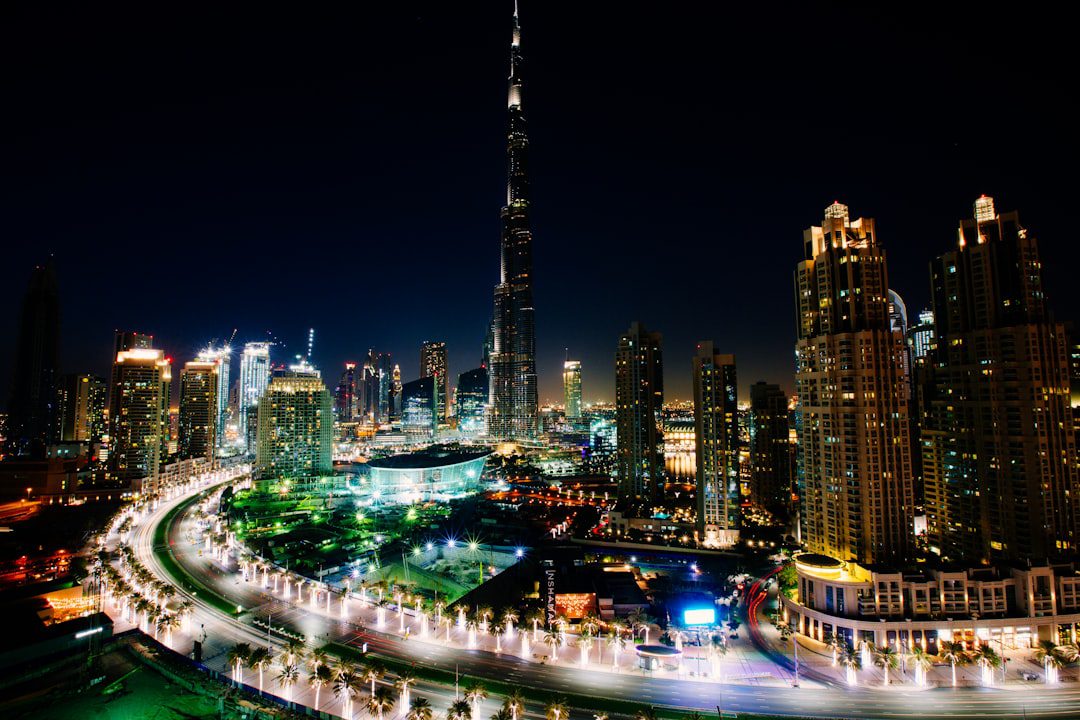
Photo by Robert Bock on Unsplash
[…] This guide is the country by country overview. It covers what every Gulf CV needs, how the requirements differ across the six GCC states, how attestation and licensing work, and how to write the visa line. For Saudi Arabia specifically, the section by section layout is in our Saudi Arabia CV format guide. […]